



Key Takeaways
- Allunity launched SEKAU, a MiCA-regulated SEK stablecoin backed 1:1 by reserves.
- Banking Circle and Marginalen Bank support SEKAU as Europe’s stablecoin market grows.
- SEKAU launches on 5 chains in 2026, targeting institutional payments and settlement.
Allunity Targets Institutional Payments With New Swedish Krona Stablecoin
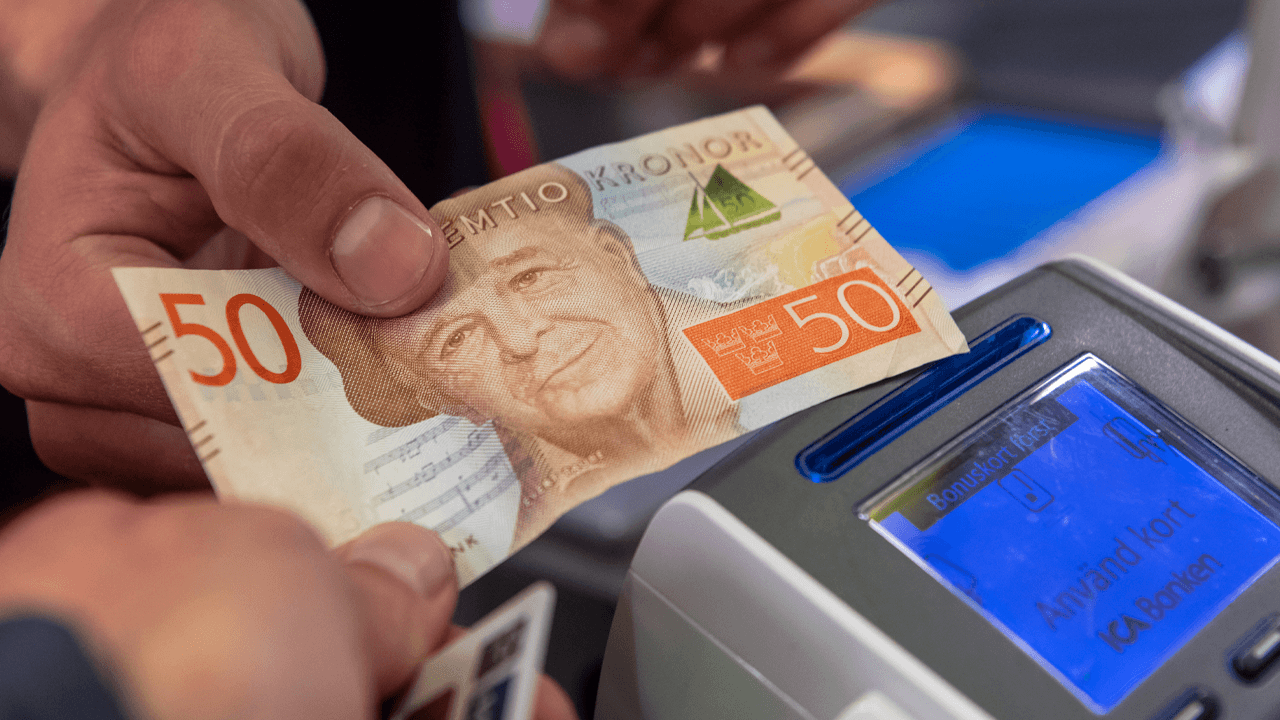
Allunity is expanding its European stablecoin lineup with the launch of SEKAU, a Swedish krona-backed token designed for institutional settlement and cross-border payments.
The digital asset company said SEKAU will operate as an e-money token under the European Union’s Markets in Crypto-Assets (MiCA) Regulation. The token is backed 1:1 by segregated Swedish krona reserves, making it the first fully reserved SEK-denominated stablecoin aligned with MiCA.
The launch follows the company’s Swiss franc stablecoin, CHFAU, and its euro-backed EURAU token. Together, the products form part of Allunity’s wider multi-currency stablecoin strategy in Europe.
Banking Partners Back SEKAU Rollout
Allunity is launching SEKAU with support from several financial and technology partners.
Banking Circle, a regulated business-to-business bank based in Luxembourg, will hold and manage the reserves backing the token. Swedish lender Marginalen Bank is supporting the rollout as a banking partner.
Trust Anchor Group, a Swedish digital asset infrastructure firm, will provide integration support to help expand access to the stablecoin across the broader ecosystem.
Allunity said SEKAU is intended for use in institutional payments, settlement, and cross-border flows. The token gives market participants exposure to the Swedish krona in digital form while operating inside Europe’s regulated stablecoin framework.
Multi-Chain Launch Targets Liquidity
SEKAU will launch across Ethereum, Solana, Base, Tempo, and Polygon. Allunity said the multi-chain approach is designed to improve access, liquidity, and interoperability across major blockchain ecosystems. The company plans to expand SEKAU to additional networks later in 2026.
The euro stablecoin market remains relatively small, with about $883 million in combined value. Still, MiCA has given issuers a clearer regulatory path, encouraging new currency-backed tokens across the region.
For Allunity, SEKAU is a bet that demand for regulated, non-dollar stablecoins will grow as institutions look for blockchain-based settlement tools tied to local currencies.


