


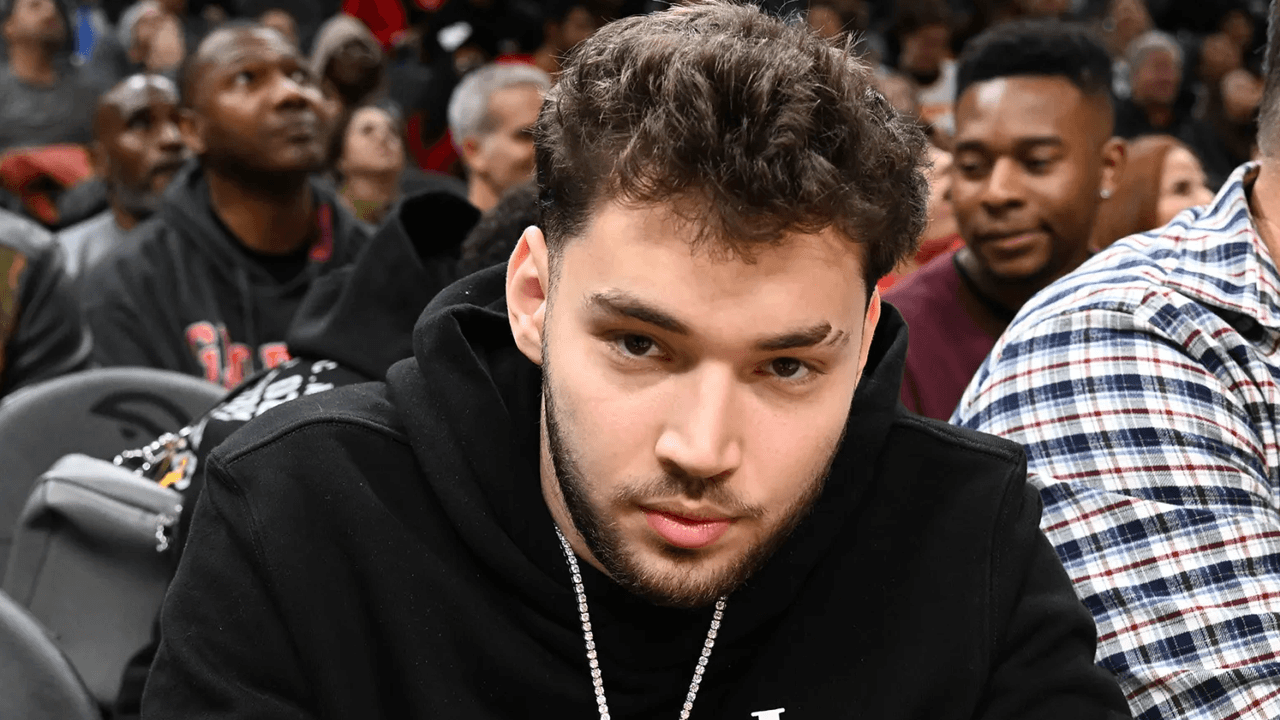

- WSJ reports Polymarket has a multimillion-dollar promotional deal with streamer Adin Ross.
- In at least 5 of his videos, Ross identified ways to use inside information to trade, WSJ found.
- Polymarket promoted at least 19 videos discussing inside information or market-manipulation tactics, WSJ says.
A celebrity deal under scrutiny
Polymarket struck a multimillion-dollar promotional deal with the streamer Adin Ross, according to a Wall Street Journal investigation that highlights an arrangement that placed one of the internet’s biggest personalities at the center of a larger marketing push that is now drawing scrutiny over inside-information trading.
Ross, a 25-year-old streamer with a multimillion-follower count, has a lucrative deal with Polymarket, according to a person familiar with the negotiations cited by the Journal, and averages about half an hour per week on his livestream scrolling through the platform and commenting on potential trades. Polymarket and its marketing contractor, Virality, targeted dozens of Ross’s videos for promotion.
In at least five of those videos, the newspaper reported, Ross “identified ways he could use inside information to trade on the platform.” More broadly, the Journal found Polymarket paid clippers to push at least 19 videos that walked through using inside information or other ways to game markets.
Discussing on camera how one might trade on inside information, and being paid to promote a platform, is not the same as trading on inside information (and it’s important to note that nothing in the reporting accuses Ross of the latter), but the framing is awkward for a company that has spent the past year trying to shed exactly that association.
This echoes wider industry insights: Pierre Lindh, co-founder of iGaming media group Next.io, has called insider trading the hardest problem prediction markets face, arguing that, alongside enforceability issues, a neutral operator collects its fee no matter who wins and so lacks the incentives of a sportsbook to stamp it out.
Polymarket told the Journal it prohibits trading based on stolen information, illegal tips, or information obtained in breach of a duty of trust or confidentiality, and pointed to a market-integrity framework covering monitoring, on-chain transparency and escalation to regulators. The company formalized those rules in March and added a Chainalysis surveillance partnership in late April.
Ross’s videos were part of a far larger paid-creator campaign run through Virality that, the Journal found, leaned heavily on fabricated trades filmed on near-perfect copies of Polymarket’s site. In the U.S., federal scrutiny is real, even with the CFTC’s ever-more permissive approach. In April, the Justice Department charged Master Sgt. Gannon Ken Van Dyke with using classified information to win more than $400,000 on Polymarket contracts tied to the U.S. operation that captured Nicolás Maduro – the first federal prosecution of insider trading on a prediction market. He pleaded not guilty on April 28 and is scheduled to stand trial in December.
Polymarket is still working to bring its exchange back onshore in the U.S. after a 2022 CFTC settlement and has been expanding into perpetual futures and other products. A campaign pairing celebrity reach with inside-information talking points cuts against the regulated image the company needs to win over U.S. users and regulators – and doesn’t help with the prediction-market industry’s wider perception challenges in Europe, where it is seen and treated as a gambling product rather than a variation on trading instruments – even as prediction-market volumes run into the tens of billions monthly.
Ross is already a defendant in class-action litigation over allegedly deceptive gambling promotion tied to the casino platform Stake.us, including a federal RICO complaint filed in Virginia in December. Representatives for Ross and Drake declined to comment to the Journal.
Polymarket told the Journal it is “committed to maintaining accurate, fair, and transparent markets” and that it would conduct a comprehensive audit of its active promotional content. It is the second disclosure flap to hit the company this month: a separate POLITICO investigation found its chief marketing officer paid more than two dozen influencers at least $350,000 to talk up Polymarket on X, most without disclosing the arrangement. The gap between what audiences are shown and what these platforms can stand behind looks wider than it did half a year ago. Reputational or regulatory consequences are about to follow? It remains to be seen.


