



Key Takeaways
- A Forsyth County woman lost $4,900 after a missed jury duty claim.
- She deposited the money into a Bitcoin ATM after being told to pay or face arrest.
- The FBI recorded more than $388 million in 2025 losses in complaints involving crypto kiosks.
A Jury Duty Claim Led to a Bitcoin ATM
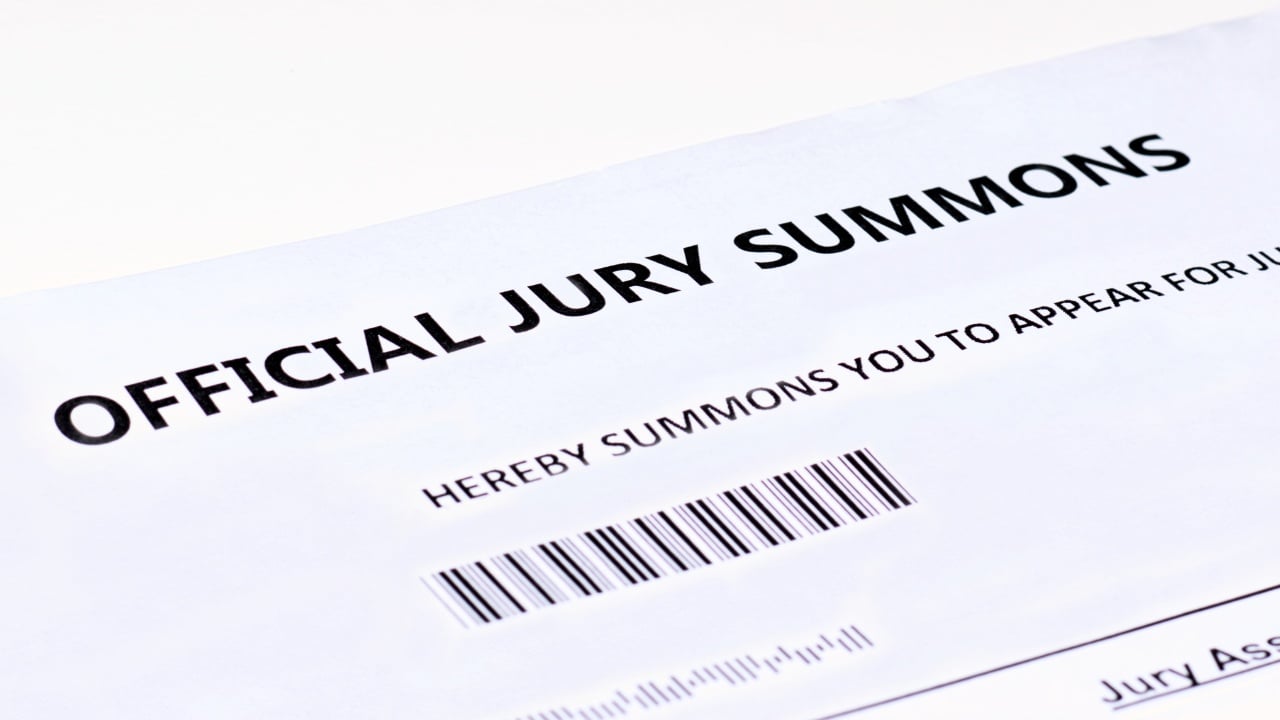
A woman in Forsyth County, Georgia, lost $4,900 after someone told her she had missed jury duty and had to pay to avoid arrest. The money went into a Bitcoin ATM, according to local reporting on the case published Sept. 16. The arrest threat was part of the scam, authorities said.
The demand joined two elements that appear in similar fraud cases: fear of a warrant and instructions to send money immediately. The Federal Trade Commission (FTC) warned in June that callers claiming someone missed jury duty may threaten arrest unless the person pays in cryptocurrency. Courts do not demand payment by phone.
The tactic has appeared in court warnings before this Georgia case. A previous jury duty scam warning described fraudsters using alleged arrest warrants to demand bitcoin, gift cards, or banking information. In the Forsyth County case, the reported result was a $4,900 deposit into a machine that converts cash into cryptocurrency.
How the Payment Demand Works
A Bitcoin ATM, also called a cryptocurrency kiosk, lets someone deposit cash and send cryptocurrency to a digital wallet. The person making the deposit may be following a caller’s instructions, while the destination belongs to the scammer. The FBI has warned that fake law enforcement threats involving crypto ATMs can pressure people into making payments before they verify the claim.
Impersonation gives the caller a way to make an unfamiliar payment request sound like an official procedure. Fraudsters may pose as representatives of trusted organizations in Bitcoin-related scams, then push targets toward a transfer controlled by the caller. In a jury duty scheme, the supposed legal deadline adds pressure, while a crypto kiosk turns deposited cash into a digital payment. The tactic is one of several forms of Bitcoin fraud and scam tactics.
The FTC says a caller ID displaying a police number cannot establish that a call is genuine. Its jury duty warning states that law enforcement will not call to threaten arrest for hanging up, and a court will not demand a phone payment. A request to settle a supposed warrant at a cryptocurrency kiosk is therefore a sign of fraud, regardless of how official the caller sounds.
Crypto Kiosk Complaints Extend Beyond Georgia
The Forsyth County loss is one case within a much larger set of reported cryptocurrency kiosk scams. The FBI’s Internet Crime Complaint Center received more than 13,400 complaints involving kiosks in 2025, with losses exceeding $388 million, according to its May 15 state-by-state data release. The bureau cautions that some complaints also involved other types of transactions, so the entire loss total cannot be assigned solely to kiosks.
States have begun addressing kiosk losses through different consumer protection measures. In Arizona, 35 crypto ATM fraud victims received $171,332 in refunds under a state law with eligibility and reporting requirements. That outcome concerns Arizona victims; it does not establish whether the woman in Georgia can recover her $4,900.
The FBI asks people who have sent funds through a crypto kiosk in a suspected scam to retain their receipts and transaction details. Its reporting guidance calls for the kiosk location, the destination wallet address if available, and information about the caller when filing a complaint with local police and the bureau’s Internet Crime Complaint Center.


