


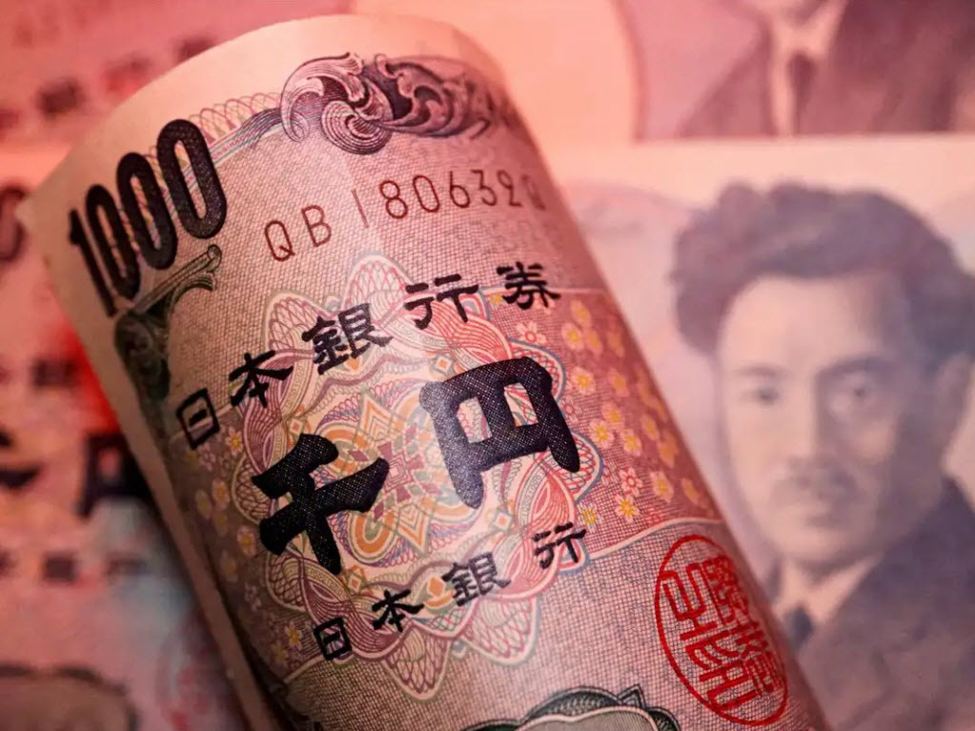

Japan wage growth remains strong, but Middle East risks cloud sustainability.
Info via Reuters.
Summary:
-
Major Japanese firms set to deliver strong pay hikes in annual wage talks
-
Wage growth momentum extends into a fourth consecutive year
-
Early deals include Mitsubishi Motors agreeing to +5.1% pay rise
-
Rengo unions seeking +5.94% vs +6.09% last year (actual +5.25%)
-
Labour shortages continue to drive corporate willingness to raise wages
-
Middle East conflict and rising oil prices pose downside risks to outlook
Japan’s largest companies are set to deliver another year of robust wage increases as annual “shunto” labour negotiations conclude, extending a run of strong pay growth into a fourth consecutive year. The outcome reflects persistent labour shortages and growing pressure on firms to retain workers, even as uncertainty surrounding the global outlook begins to build.
Major corporates, including Toyota and Hitachi, are finalising agreements with unions this week, with several firms already moving quickly to meet wage demands in full. Mitsubishi Motors, for example, agreed to an average pay increase of 5.1% in late February, one of the earliest settlements on record, highlighting the strength of wage momentum across the corporate sector.
Japan’s largest labour union group, Rengo, is seeking an average wage increase of 5.94% this year, slightly below last year’s 6.09% demand, which ultimately resulted in a 5.25% rise, the largest increase in more than three decades. Early indications suggest that companies are again willing to deliver meaningful pay gains, supported by solid profits and ongoing labour market tightness.
Importantly, this year’s wage negotiations have so far remained relatively insulated from external pressures such as higher U.S. tariffs. Instead, domestic factors, particularly labour scarcity and the need to sustain consumption, have dominated corporate decision-making.
However, attention is increasingly shifting to whether this pace of wage growth can be sustained beyond 2026. The escalation of conflict in the Middle East has driven a sharp rise in energy prices, raising concerns about margin compression and slowing economic activity. Higher input costs could weigh on corporate profitability and, in turn, limit firms’ ability to continue delivering large pay increases in future rounds.
In the current environment, the wage outcome carries significant macro implications. Sustained pay growth is a critical pillar of Japan’s reflation narrative and a key condition for the Bank of Japan to continue normalising policy. While this year’s negotiations reinforce confidence in the wage cycle, the outlook is becoming more uncertain as global risks intensify.
For now, Japan’s wage momentum remains intact, but its durability will depend increasingly on how firms navigate rising costs and a more volatile external backdrop.
—
The BoJ is expected to remain on hold tomorrow:


